產品推薦
RECOMMEND新聞推薦
NEWS RECOMMENDATION冷彎型鋼和熱軋型鋼的區別有哪些?
發布時間:2025-08-23 來源:http://m.yuancloud.cn/
一、生產方式
1、 Production mode
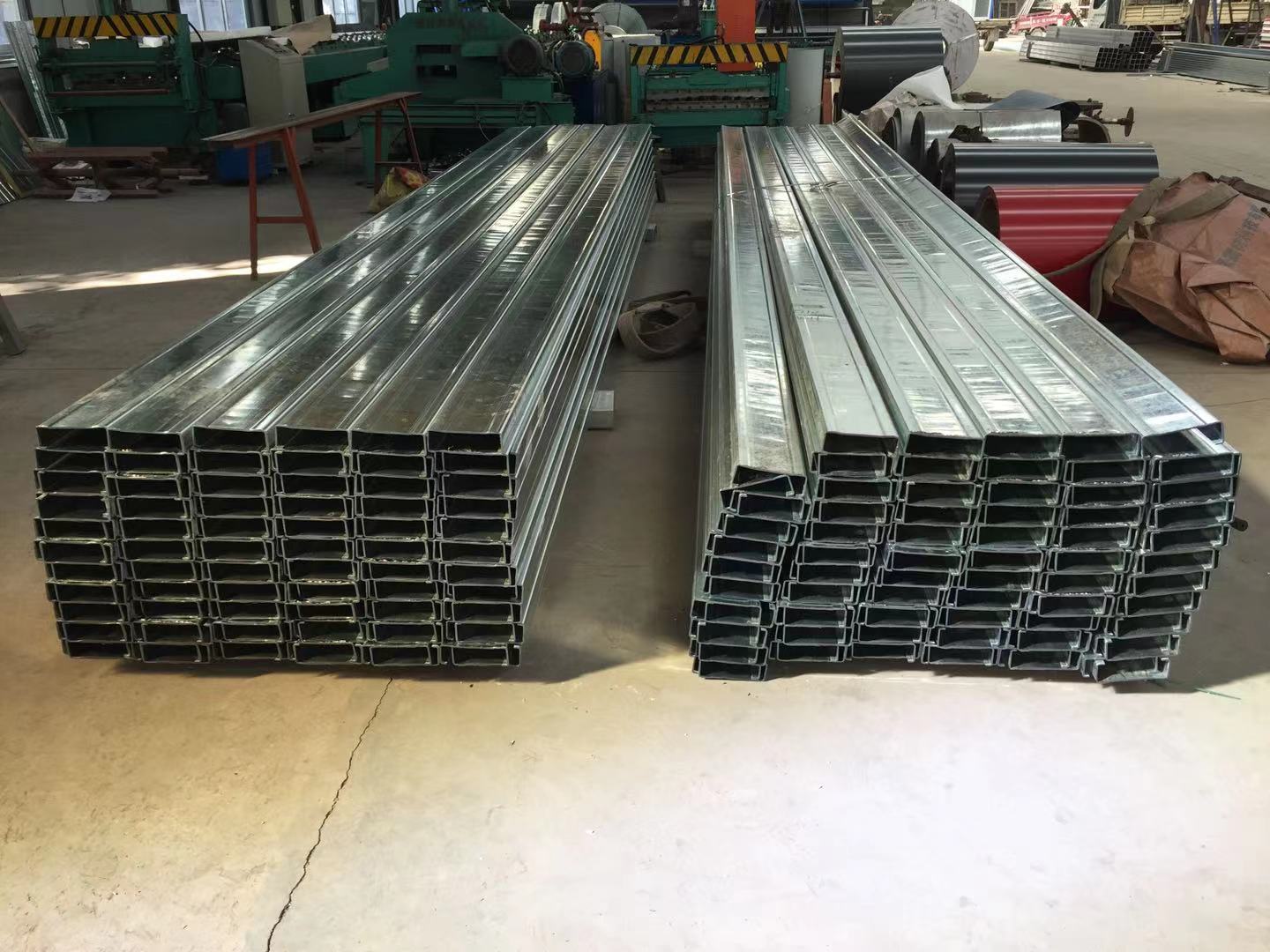
冷彎型鋼:以熱軋或冷軋帶鋼為坯料,在冷狀態下通過彎曲成型工藝制成的各種截面形狀尺寸的型鋼。這種生產方式不需要高溫加熱,因此能耗相對較低。
Cold formed steel: Various cross-sectional shapes and sizes of steel made from hot-rolled or cold-rolled steel strips through bending forming processes in a cold state. This production method does not require high temperature heating, so the energy consumption is relatively low.
熱軋型鋼:則是用加熱后的鋼坯通過軋制工藝制成的不同幾何斷面造型的鋼材。熱軋過程需要高溫加熱鋼坯,能耗相對較高。
Hot rolled steel: refers to steel with different geometric cross-sectional shapes made from heated steel billets through rolling processes. The hot rolling process requires high-temperature heating of steel billets, which consumes relatively high energy.
二、截面形狀與尺寸
2、 Section shape and size
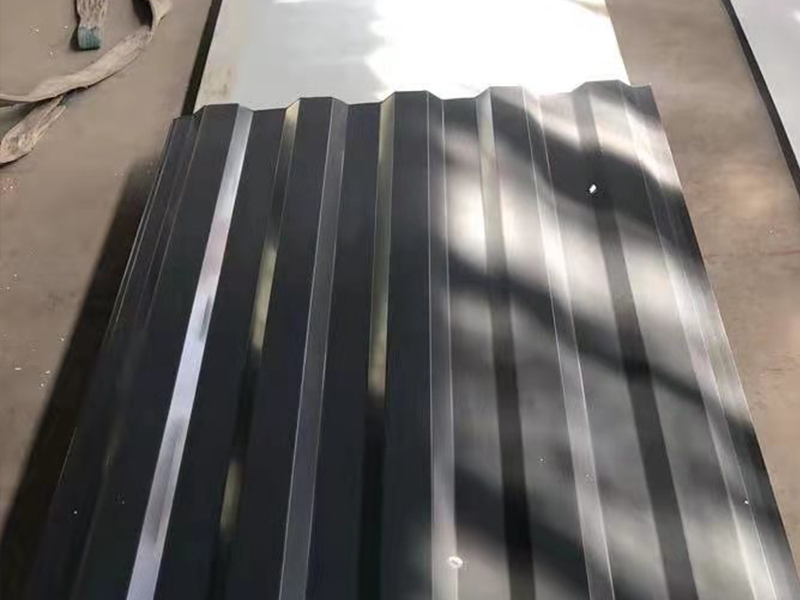
冷彎型鋼:截面形狀可以根據需要進行設計,具有結構合理、壁厚均勻的特點。而且,冷彎型鋼可以生產壁厚較薄、截面形狀復雜的型材,這是熱軋方法難以實現的。
Cold formed steel: The cross-sectional shape can be designed according to needs, with the characteristics of reasonable structure and uniform wall thickness. Moreover, cold-formed steel can produce profiles with thin wall thickness and complex cross-sectional shapes, which is difficult to achieve through hot rolling methods.
熱軋型鋼:截面形狀相對固定,雖然也有多種規格可選,但在復雜度和靈活性方面不如冷彎型鋼。
Hot rolled steel: The cross-sectional shape is relatively fixed, and although there are multiple specifications to choose from, it is not as complex and flexible as cold-formed steel.
三、材料性能
3、 Material properties
冷彎型鋼:由于冷彎過程中材料發生塑性變形,彎角處會出現冷彎效應,即強度提高、塑性降低。這種特性使得冷彎型鋼在某些需要高強度的應用中具有優勢。
Cold formed steel: Due to plastic deformation of the material during the cold bending process, a cold bending effect occurs at the corners, resulting in an increase in strength and a decrease in plasticity. This characteristic gives cold-formed steel an advantage in certain applications that require high strength.
熱軋型鋼:材料經過高溫加熱和軋制后,塑性得到大幅度提高,但強度可能相對較低。此外,熱軋型鋼的截面殘余應力分布與冷彎型鋼不同。
Hot rolled steel: After high-temperature heating and rolling, the plasticity of the material is greatly improved, but the strength may be relatively low. In addition, the residual stress distribution in the cross-section of hot-rolled steel is different from that of cold-formed steel.
四、應用領域
4、 Application Fields
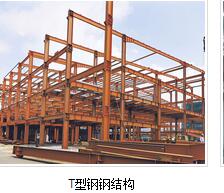
冷彎型鋼:主要應用于輕型鋼結構、汽車、集裝箱、鋼結構建筑等領域。由于其截面經濟合理、品種繁多、外觀良好等特點,冷彎型鋼在這些領域中具有廣泛的應用前景。
Cold formed steel: mainly used in light steel structures, automobiles, containers, steel structure buildings and other fields. Due to its economically reasonable cross-section, wide variety, and good appearance, cold-formed steel has broad application prospects in these fields.
熱軋型鋼:則廣泛應用于機械制造、化工設備、造船、礦山、石油和鐵道等部門。熱軋型鋼具有強度高、塑性好的特點,適合用于承受較大載荷的構件。
Hot rolled steel: It is widely used in mechanical manufacturing, chemical equipment, shipbuilding, mining, petroleum, and railway industries. Hot rolled steel has the characteristics of high strength and good plasticity, making it suitable for components that can withstand large loads.
五、殘余應力與連接方式
5、 Residual stress and connection method
冷彎型鋼:冷彎而形成的殘余應力,與熱軋型鋼由焊接和溫度變化而形成的殘余應力在大小和分布上完全不同。
Cold formed steel: The residual stress formed by cold bending is completely different in magnitude and distribution from the residual stress formed by welding and temperature changes in hot-rolled steel.
熱軋型鋼:結構限制截面板件寬厚比,不允許出現局部屈曲。而冷彎型鋼截面板件寬厚比大,設計中允許局部屈曲并利用板件屈曲后強度。此外,兩者在連接方式上也存在差異,這取決于具體的應用場景和需求。
Hot rolled steel: The width to thickness ratio of the structural restricted section plate is not allowed to experience local buckling. The width to thickness ratio of cold-formed steel section plates is large, and local buckling is allowed in the design to utilize the strength of the plate after buckling. In addition, there are differences in the connection methods between the two, depending on the specific application scenarios and requirements.
以上的精彩內容來自:濟南型鋼更多精彩內容請點擊我們的網站查看更多:http://m.yuancloud.cn
The above exciting content comes from: Jinan Steel. For more exciting content, please click on our website to view more: http://m.yuancloud.cn
熱門產品 / HOT PRODUCT

公司名稱:章丘市鴻祥泰彩鋼瓦有限公司
公司地址:章丘區圣井街道圣井高科技園飛爾康體育用設施西鄰
電話:13573174182
手機:15866728178 13573174182
技術部:15866728178
售后服務部:13573174182
備案號: 魯ICP備16046051號-1
網站地圖 TXT XML

 魯公網安備 37018102000503號